

Over-commercialisation has turned Easter into an environmental headache for eco-conscious parents. With supermarket aisles packed with excess plastic packaging and foil-wrapped chocolate, the holiday can feel wasteful. In fact, over 3,000 tons of Easter egg packaging end up in UK landfills every year. Of the 8 million chocolate eggs consumed in the UK alone, only about 38% of the box volume contains actual chocolate.
If you're looking for sustainable alternatives, you don't have to sacrifice the magic of the holiday. Here are 6 simple, eco-friendly Easter ideas for kids to help your family celebrate a zero-waste, plastic-free Springtime.

1. Decorate with Natural & Organic Spring Botanicals
Ditch single-use plastic decorations, artificial grass, and synthetic wreaths. Instead, bring nature indoors with organic botanical table displays. Foraging for fallen twigs, pinecones, and seasonal spring flowers creates a beautiful, compostable centerpiece.
- Best Spring Flowers for Decorating: Daffodils, Snowdrops, Crocuses, Wild Tulips, and Pansies.
- Kid-Friendly Activity: Take children on a springtime nature walk to gather wildflowers and twigs to construct natural nest centerpieces.
2. Make DIY Natural Dye Easter Eggs
Commercial egg dyes often contain artificial food colorings and come packaged in non-recyclable plastic single-use kits. You can easily make vibrant, non-toxic natural egg dyes using simple kitchen pantry ingredients.
Step-by-Step Guide: How to Dye Eggs Naturally
- Choose Your Colors: Use Red Cabbage (for soft blue), Beetroot (for pink/red), Yellow Onion Skins (for orange/amber), Blueberries (for purple), or Spinach (for green).
- Prepare the Bath: Combine 1 liter of water and 2 tablespoons of white vinegar in a saucepan. Add your natural plant ingredient and bring to a boil.
- Simmer: Lower heat and simmer for 30 minutes to release the natural pigments.
- Strain & Submerge: Strain out the plant material, let the liquid cool, then submerge hard-boiled eggs in the natural dye mixture.
- Set the Color: Leave eggs submerged for at least 2 to 4 hours (or overnight in the fridge for deep, rich tones). Dry thoroughly and polish with a drop of vegetable oil for extra shine.
Pro Tip: You can also use brewed herbal teas like Hibiscus (red), Matcha (pale green), or Black Tea (rich tan) for subtle pastel shades!
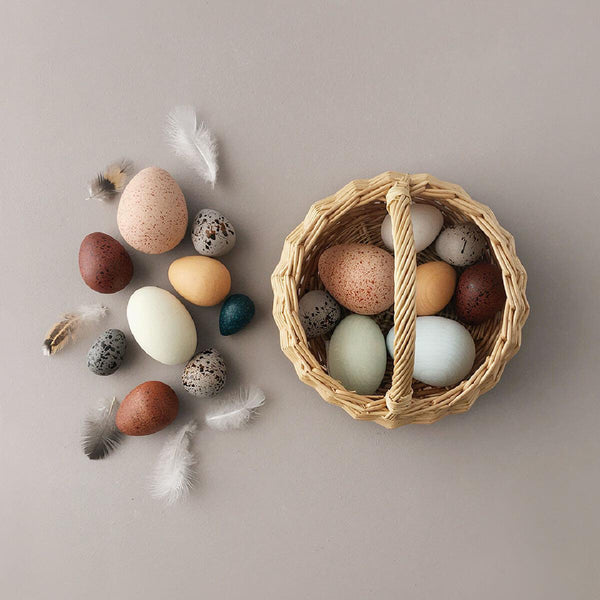
3. Choose Sustainable & Heirloom Easter Gifts for Kids
Instead of disposable plastic trinkets that end up in landfill by the end of the week, build your child's Easter basket around plastic-free, heirloom toys that foster imaginative play year-round.
Look for sustainable wooden toys, open-ended stacking puzzles, or handcrafted keepsake gifts made from sustainably sourced beechwood. These long-lasting alternatives can be passed down to younger siblings, creating lasting holiday memories.

4. Ditch Supermarket Chocolate for Fair Trade or Homemade Treats
Most mass-produced supermarket Easter eggs come with heavy environmental costs, excess foil/plastic packaging, and ties to unethical supply chains. According to Food is Power, unfair labor practices remain widespread in cocoa farming.
If chocolate is an absolute holiday essential for your family, consider these eco-conscious choices:
- Buy Ethical & Fairtrade: Look for organic, Rainforest Alliance, or Fairtrade-certified chocolate wrapped in recyclable foil or cardboard.
- Support Local Chocolatiers: Purchase artisanal treats from local sweet shops that use plastic-free packaging.
- Bake at Home: Make your own chocolate nests, organic fudge, or oat biscuits with the kids as a fun holiday baking activity.
5. Plant Spring Flower Bulbs as a Family
Planting flower bulbs in the garden or in windowsill pots is a wonderful hands-on activity that teaches children about nature, life cycles, and renewal. It also provides vital nectar for early-season pollinators like bumblebees.
Popular Easter Flowers & Their Historical Meanings:
- White Easter Lilies: Symbolize virtue, hope, purity, and life.
- Tulips: Represent deep love and rebirth (purple signifies royalty; white signifies forgiveness).
- Daffodils ("Lent Lilies"): Symbolize new beginnings, joy, and the arrival of Spring.
- Irises: Symbolize wisdom, hope, and courage.
- Hyacinths: Symbolize peace and constancy.

6. Host a Plant-Based or Meat-Free Sunday Roast
Swapping a traditional meat centerpiece for a plant-based roast dinner significantly reduces your family's carbon footprint and conserves natural resources. Plus, vegetarian holiday dishes often take less prep time, giving you more time for family games and outdoor egg hunts!
Try making a savory Mushroom, Sage & Onion Wellington or a Nut Roast with Fig & Walnut Stuffing. Find inspiring plant-based recipes on Meat Free Mondays.
“Try it, you might like it … and the planet definitely will appreciate it.”
— Woody Harrelson
Frequently Asked Questions About Eco-Friendly Easters
How can I make a plastic-free Easter basket?
Swap synthetic plastic baskets for natural wicker, bamboo, or woven cloth bags. Replace plastic shredded grass with shredded recycled paper, dried moss, or real straw, and fill the basket with wooden toys, seed packets, and foil-wrapped fair-trade chocolate.
What are the best eco-friendly alternatives to plastic Easter eggs?
Instead of hollow plastic eggs, opt for real hard-boiled eggs dyed with natural vegetable dyes, wooden fillable eggs, or felted wool eggs that can be reused year after year for Easter egg hunts.
How do you naturally dye Easter eggs without chemical kits?
Boil natural ingredients like red cabbage (blue), onion skins (orange), or beetroot (pink) in water with white vinegar for 30 minutes. Strain the liquid, submerge cooked eggs, and let them soak for several hours or overnight in the refrigerator.
Explore Sustainable Easter Gifts & Keepsakes
Discover handcrafted wooden egg cups, plastic-free toys, and charming eco-friendly gifts designed to bring plastic-free joy to your family's springtime celebrations.
Shop the Eco Easter Collection