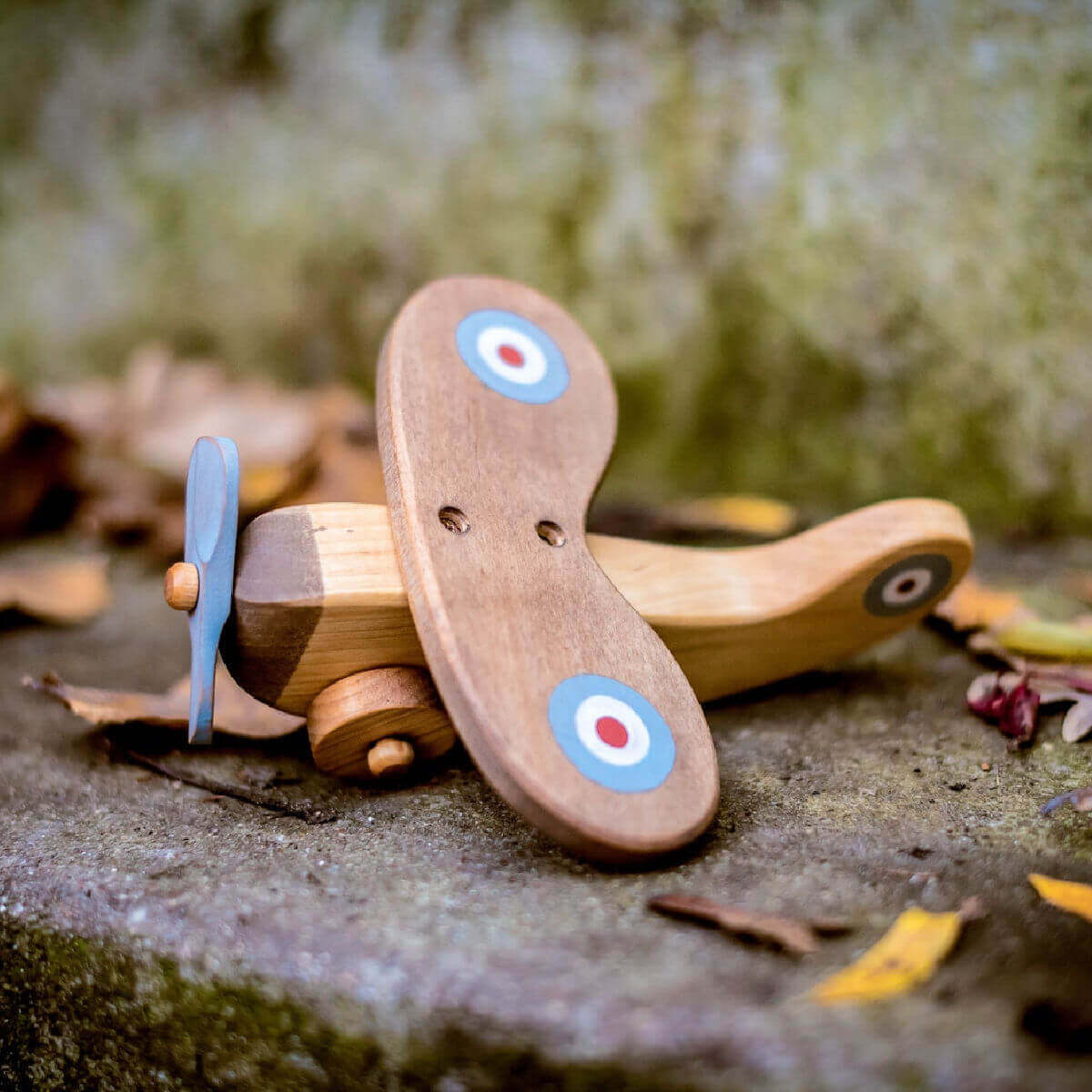
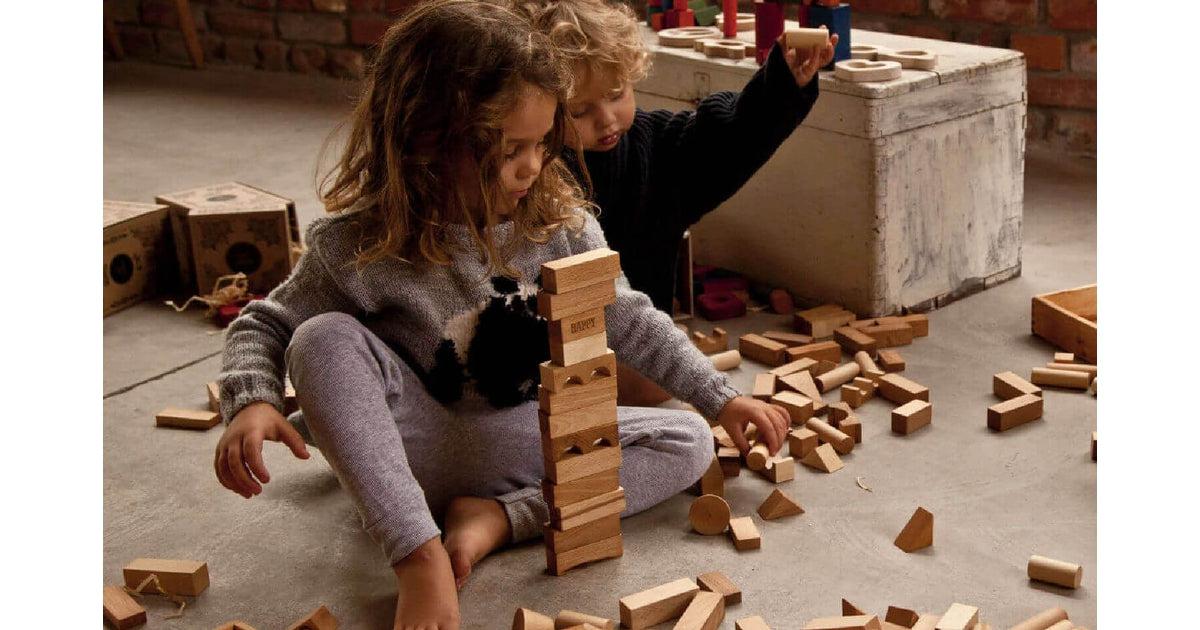
Learning how to clean wooden toys gently helps keep them safe, beautiful and ready for years of play. These five simple steps will help protect your child’s favourite wooden toys without using harsh chemicals, soaking the wood or damaging hand-painted finishes.

1. Start with a gentle clean
Use a soft cloth lightly dampened with warm water to remove dust, fingerprints and everyday marks. The cloth should be damp rather than wet, as soaking wooden toys can cause the wood to swell, warp or change shape.
For more stubborn dirt, add a very small amount of mild soap to the cloth. Wipe the toy gently, following the grain of the wood, and avoid scrubbing painted or decorated areas.

2. Avoid harsh chemicals and cleaners
Bleach, disinfectant sprays, alcohol, nail-polish remover and abrasive cleaners can damage wood, paint and protective finishes. They may also leave residues on toys handled by young children.
A soft cloth with warm water is enough for most routine cleaning. When soap is needed, choose a mild product and use it sparingly. Never apply oils, waxes or polishes unless the toy’s maker specifically recommends them.
3. Dry completely after cleaning
After cleaning, wipe the toy with a clean, dry cloth and allow it to air-dry fully in a well-ventilated room. Do not place it on a radiator or use strong direct heat, as sudden temperature changes can cause wooden toys to crack or warp.
Make sure the toy is completely dry before returning it to a toy box or other enclosed storage space.
4. Store in a cool, dry place
Store wooden toys away from damp areas, strong heat and prolonged direct sunlight. Excess moisture can encourage mould or cause the wood to swell, while direct sunlight may fade painted finishes and dry the wood.
Open shelves, baskets and ventilated toy chests are all good options. Avoid storing wooden toys tightly against damp walls or beside radiators and fireplaces.

5. Check regularly for wear and damage
Inspect toys regularly for splinters, cracks, chips, loose parts or damage to their finish. Pay particular attention to toys used by babies and toddlers, who may still put objects in their mouths.
Stop using a damaged toy until it has been assessed. Follow the maker’s repair instructions or contact the manufacturer for advice rather than applying an unsuitable glue, paint or finish.
A few minutes of gentle care can help a well-made wooden toy remain part of family playtime for many years.
Wooden toy care FAQs
How often should wooden toys be cleaned?
Clean wooden toys whenever they become visibly dirty. Frequently handled toys may benefit from a more regular wipe with a lightly dampened cloth. Always follow the maker’s individual care instructions.
Can wooden toys be soaked in water?
No. Wood can absorb water, causing it to swell, warp or crack. Use a lightly dampened cloth and dry the toy promptly.
Can wooden toys go in a dishwasher or washing machine?
Wooden toys should not normally be placed in a dishwasher or washing machine. Heat, water and detergent can damage the wood, adhesive, paint and finish.
How should marks and stains be removed?
Begin with a soft, damp cloth and a tiny amount of mild soap. Do not use solvents, alcohol or abrasive pastes. If a mark remains, contact the manufacturer before trying a stronger treatment, especially when the toy is painted or intended for a young child.
How do we care for wooden toys at Blue Brontide?
In our Yorkshire workshop, we use a soft, lightly dampened cloth for routine cleaning and avoid soaking painted wooden toys or applying harsh cleaning products. This gentle approach helps protect the natural wood and hand-painted finish.
What do I need to care for wooden toys?
- A soft, lint-free cloth
- Warm water
- A small amount of mild soap when required
- A soft brush for suitable, hard-to-reach areas
- The manufacturer’s care instructions
Care that helps heirloom toys last
The beauty of a well-made wooden toy lies not only in how it looks, but in the stories it gathers through years of play. Gentle cleaning, careful storage and regular checks will help preserve it for the next adventure—and perhaps the next generation.
Wooden toys made to last a lifetime.
Discover thoughtfully crafted wooden toys designed for imaginative play, everyday adventures and years of treasured memories—beautiful pieces to care for, cherish and pass down.